
New gates
Gate installation and custom gates for North Jersey properties
- Swing, sliding or cantilever
- Iron, steel, aluminum or wood
- Ready for automation
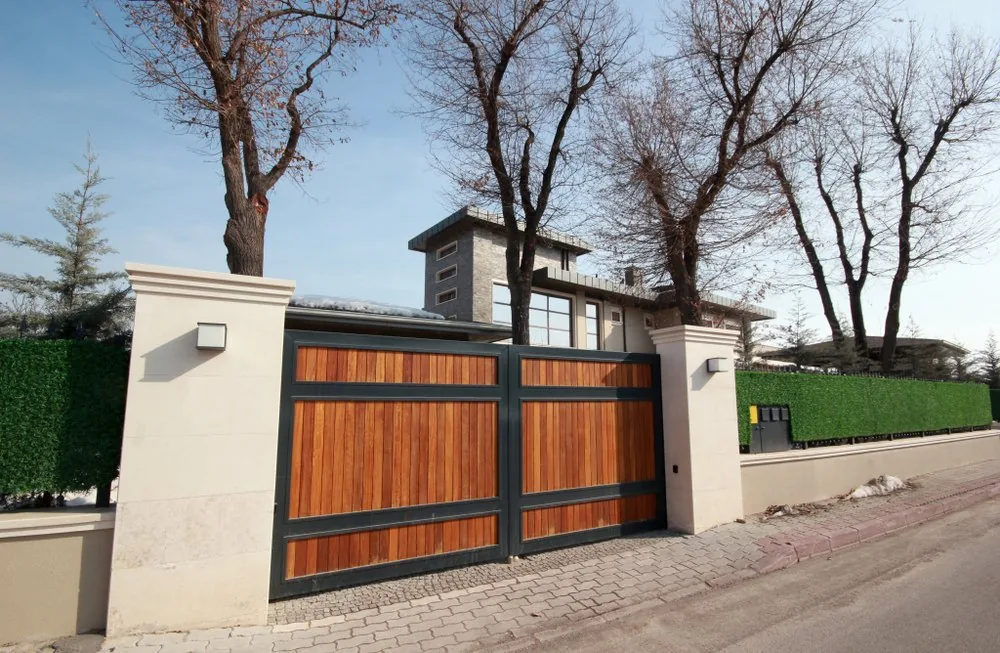
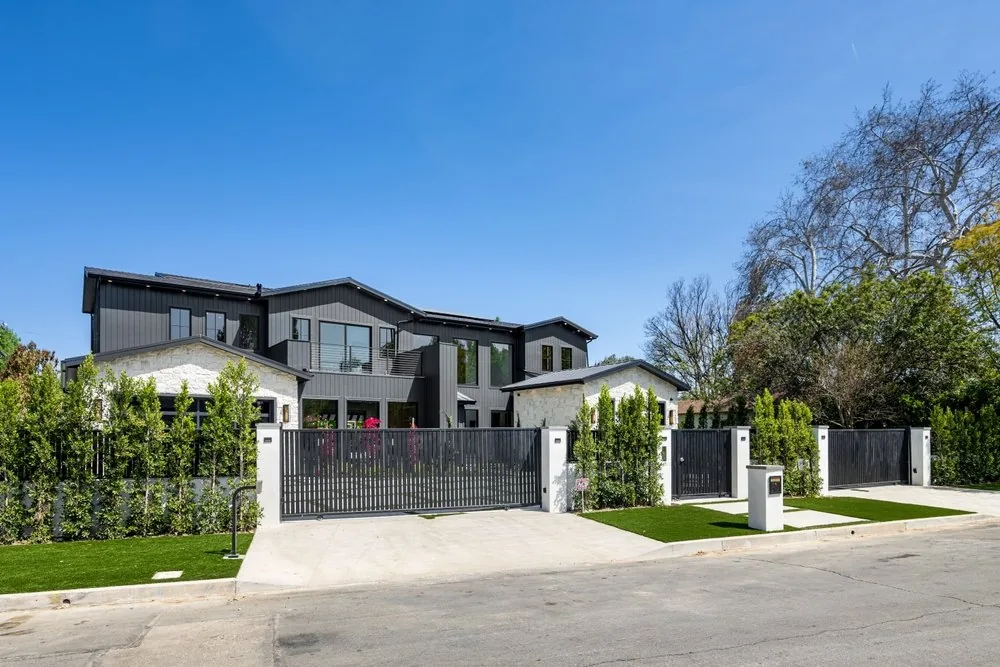
Space decides most of the design. Gate installation starts with measuring the opening, the driveway slope and the room on each side, because that tells you whether a swing, sliding or cantilever gate will actually work. On tight Hudson County lots, a swing leaf often has nowhere to go. From there we choose a material and style, set posts that will stay plumb, and hang a gate ready for an automatic operator now or later.
Custom gates make sense when a standard size or pattern does not suit the opening, the house or the privacy you want. Driveway gate installation in North Jersey also has to handle freeze-thaw ground, so posts go on footings below the local frost line. If the old gate can be saved, repairing it may be the better spend, and we will say so.
Planning a new gate?
Send the opening width and a photo of the driveway. We reply 24/7 and set up a time to measure.
What a new gate project includes
Each step affects how long the gate stays square and how easily it can be automated. Here is what the work covers.
Site measurement and layout
Opening width, driveway grade, swing clearance, side room for a slide and obstacles like steps, walls or utility lines are noted so the design fits the space.
Posts and footings
Gate posts carry the whole leaf. They are set on concrete footings sized to the gate and placed deep enough for frost, so winter heave does not tip the post and drop the gate.
Gate fabrication or supply
Standard designs or custom-fabricated gates in wrought iron, steel, aluminum or wood, with hinges, latches and stops matched to the gate's size and weight.
Automation-ready finish
Even if you start manual, the tech plans mounting points, conduit and a power route so an operator, photo eyes and keypad can be added cleanly later.
Choosing a gate type and material
Swing gates
Single or double leaves on hinges. They suit level or gently sloped driveways with clear room behind the gate. Uphill driveways can stop a swing leaf from opening fully unless the gate is designed for the grade.
Sliding and cantilever gates
A sliding gate rolls along a ground track; a cantilever gate hangs from rollers and clears the ground, which helps with snow and ice. Both need side room about as long as the opening. Aluminum is light and rust resistant; iron and steel need protection near salted roads.
Signs it is time for a new gate
Sometimes repair is the wrong spend. These conditions usually point to a replacement.
- Bottom rail rusted throughStructural steel is gone; patching rarely holds for long.
- Wood joints rotted at the frameBracing cannot hold where the wood itself has failed.
- Gate never fit the opening wellIt was built too heavy or too long for its posts or hinges.
- You want automation on an old manual gateThe old gate may be too flexible or heavy for an operator.
- Driveway layout has changedNew paving or grading means the old swing or slide no longer clears.
Safety first. Before anyone digs for posts, underground utilities must be marked; New Jersey requires a call to 811 at least three full business days ahead. If the gate will be automated, design it with entrapment protection in mind: openings that fingers or a child's head cannot pass through, covered rollers, and space for photo eyes and edges.
Why Carter for gate installation
Built for tight lots
Short driveways, shared access and sloped streets are normal here. We design around the space you have, often a slide or cantilever where a swing gate would not open.
Gate, opener and garage door
One company can install the gate, automate it and service the garage door behind it, so access across the whole driveway is planned as one system.
Choices explained up front
Type, material, automation and footings are explained in plain terms before work starts, so you know what you are choosing and why.
Talk to someone 24/7
Project questions come up at odd hours. Call or text whenever you like; a person answers and can book a time to measure the opening.